Quick Facts
- Category: Mobile Development
- Published: 2026-05-13 08:25:47
- Scaling Sovereign Clouds: Azure Local Expands to Thousands of Nodes
- From Rejects to Resources: How Semiconductor Binning Powers Affordable Electronics
- New Data Generation Methods Break AI Training Bottleneck with Minimal Examples
- Forgotten Pioneers: 6 Linux Distributions That Once Ruled the Desktop
- Apple Card’s Chase Takeover: What Stays, What Changes – Breaking Details Emerge
Introduction
In the first quarter of 2026, the US smartphone market experienced a contraction, yet Apple managed to grow its iPhone sales, driven largely by strong demand for the iPhone 17 and strategic timing advantages over competitors. According to data from Counterpoint's US Monthly Smartphone Channel Share Tracker, Apple's performance stands in stark contrast to the broader market trends, underscoring the brand's resilience in a challenging environment.
Market Overview
The US smartphone market saw a 5.7% decline year-over-year in Q1 2026, with Android smartphone sales plummeting 14.4% during the same period. This contraction was partly influenced by Samsung's delayed Galaxy S26 launch, which allowed Apple to capture additional market share. Meanwhile, Apple's iPhone sales volume rose 1.3% compared to the same quarter in 2025, highlighting the continued appeal of the iPhone lineup.
Apple's Performance
Apple's growth was not uniform across all carriers but showed significant gains. The company increased its share of sales on all three major US carriers: AT&T, T-Mobile, and Verizon. Verizon experienced the most dramatic shift, with Apple's share of smartphone sales reaching 77% in Q1 2026. This represents a substantial increase from previous quarters and reflects strong consumer preference for the iPhone 17 on Verizon's network.
iPhone 17 Demand
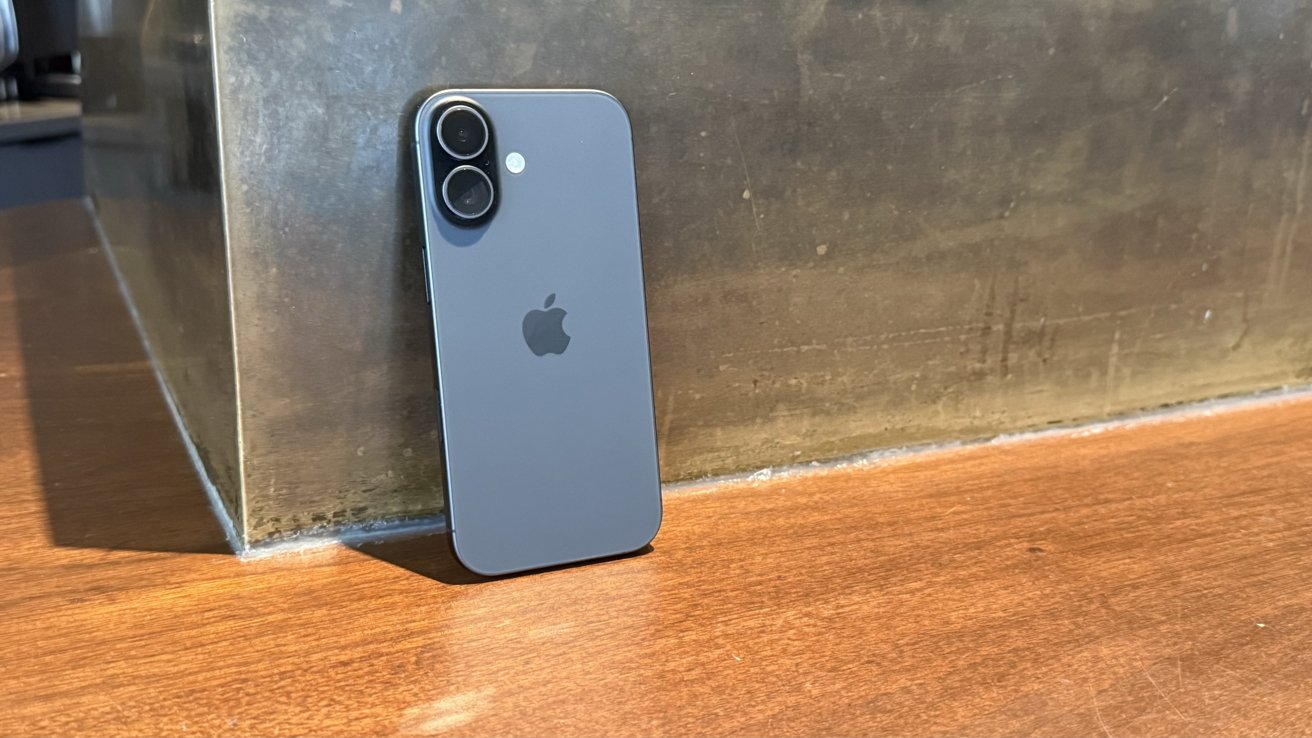
A key driver behind Apple's success was the base iPhone 17 model, which saw stronger-than-expected demand during the first quarter. Counterpoint noted that this model outperformed projections, contributing significantly to overall sales growth. The iPhone 17's features, such as improved camera systems and battery life, resonated well with consumers looking to upgrade.
Supply Constraints and Extended Demand
Supply constraints that affected iPhone availability during the 2025 holiday quarter continued to have ripple effects into early 2026. These constraints limited initial supply, which in turn extended demand for the iPhone lineup well into the first calendar quarter. As a result, many consumers who were unable to purchase an iPhone during the holiday season fulfilled their purchases in Q1 2026, boosting Apple's sales figures.

Carrier-Level Insights
Apple's gains on carrier networks reflect broader trends in consumer behavior and competitive dynamics. On AT&T and T-Mobile, Apple's share increased modestly, while Verizon's leap to 77% was particularly notable. This shift may be attributed to Verizon's aggressive promotions and bundling strategies that favored the iPhone 17. The carrier's focus on premium devices helped Apple capture a larger slice of the market even as overall smartphone sales declined.
Android Challenges
The 14.4% drop in Android sales was exacerbated by Samsung's delayed Galaxy S26 launch, which typically generates significant volume in the first quarter. Without a major flagship release, Android struggled to compete with Apple's sustained momentum. Additionally, supply chain issues and component shortages may have hampered Android manufacturers during this period.
Conclusion
Apple's ability to grow iPhone sales in a declining US smartphone market underscores the strength of the iPhone 17 and the company's strategic positioning. With strong demand across carrier channels and extended demand from holiday supply constraints, Apple has navigated the Q1 2026 contraction effectively. As the year progresses, the launch of competitors' flagship devices could shift the balance, but for now, Apple remains a dominant force in the US smartphone landscape.
For more details, you can Continue Reading on AppleInsider or Discuss on our Forums.