Quick Facts
- Category: Science & Space
- Published: 2026-05-20 19:53:46
- How to Join Robinhood's Venture Fund and Invest in Pre-IPO Tech Giants
- Coal Pollution Casts a Shadow Over Solar Power Potential
- MIT's SEAL Framework: How Language Models Learn to Improve Themselves
- Mastering WooCommerce Sales: Ditch Per-Product Editing for Smart Rules
- Maximize Your Anime Collection: A Guide to Crunchyroll’s Two-for-One Blu-ray Sale
Introduction
In the distant reaches of our solar system, Neptune's moon Nereid has long baffled astronomers with its peculiar orbit and mysterious origins. A new study suggests that this icy world may be the last remaining witness to a violent chapter in Neptune's history—a time when the planet's original satellite system was nearly destroyed. Researchers now propose that Nereid is the sole survivor of Neptune's primordial moons, offering a unique window into the planet's tumultuous past.
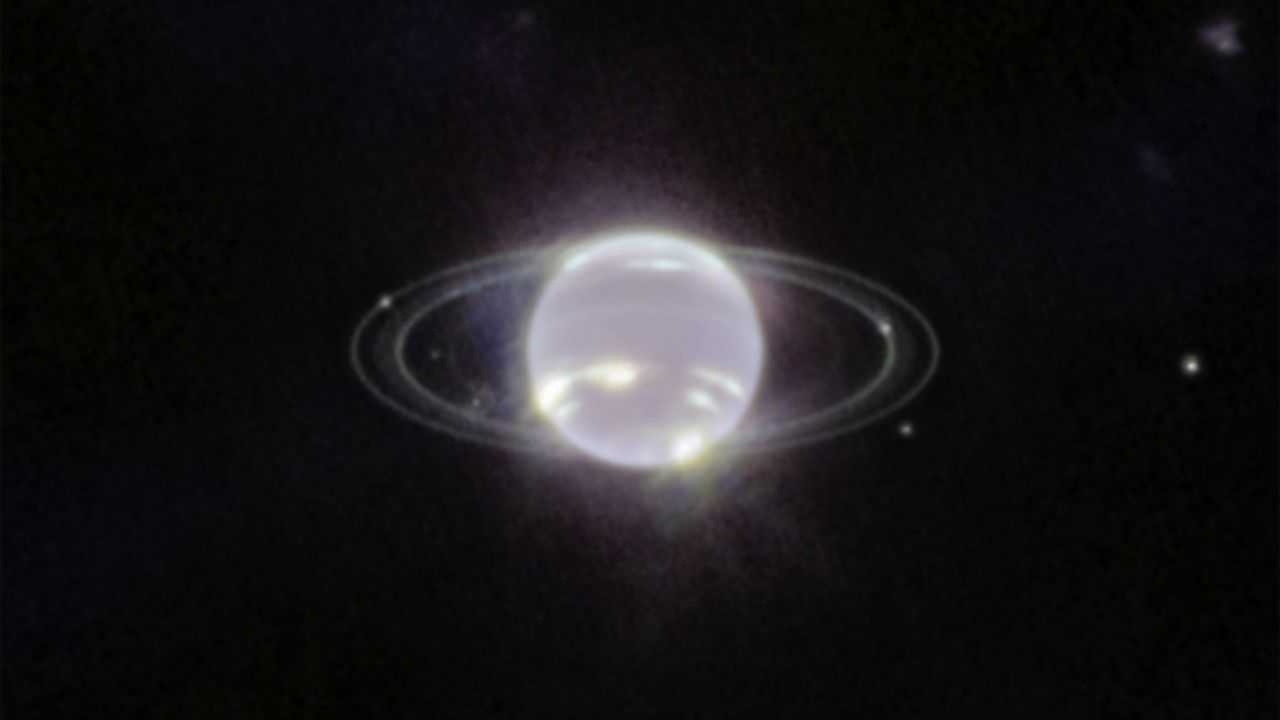
The Enigmatic Moon Nereid
Nereid, discovered in 1949 by Gerard Kuiper, is Neptune's third-largest moon, with a diameter of about 340 kilometers. What makes it stand out is its highly eccentric orbit—the most eccentric of any moon in the solar system. At its closest, Nereid comes within 1.37 million kilometers of Neptune, but at its farthest, it swings out to over 9.6 million kilometers. This extreme orbit, combined with its irregular shape, hints at a chaotic history.
Discovery and Odd Orbit
When Nereid was first observed, its orbit was immediately recognized as unusual. Most moons in the solar system have nearly circular orbits close to their planets, but Nereid's path is elongated and tilted. Such an orbit is typically a sign that the moon has been disturbed by gravitational interactions, possibly from a massive event in the past. Astronomers have long speculated that Nereid might be a captured object rather than a native moon, but the new research offers a different narrative.
Clues to a Turbulent History
The study, published in a recent issue of Icarus, used computer simulations to trace Nereid's orbital evolution. The models suggest that Nereid's current orbit could only result from a severe disruption of Neptune's original satellite system. The prime suspect is Triton, Neptune's largest moon, which is believed to have been captured from the Kuiper Belt billions of years ago. This capture would have sent shockwaves through any existing moons, likely ejecting them from orbit or causing collisions.
The Capture of Triton and Its Aftermath
Triton is an oddity itself—it orbits Neptune in a retrograde direction, opposite to the planet's rotation. This is a telltale sign that Triton did not form alongside Neptune but was captured. When Triton first entered Neptune's gravitational influence, it would have wreaked havoc. Simulations show that as Triton's orbit circularized, it would have scattered or consumed any pre-existing moons. Most of Neptune's original satellites were likely destroyed, ejected, or crashed into the planet. But Nereid, perhaps due to its distance, managed to survive.
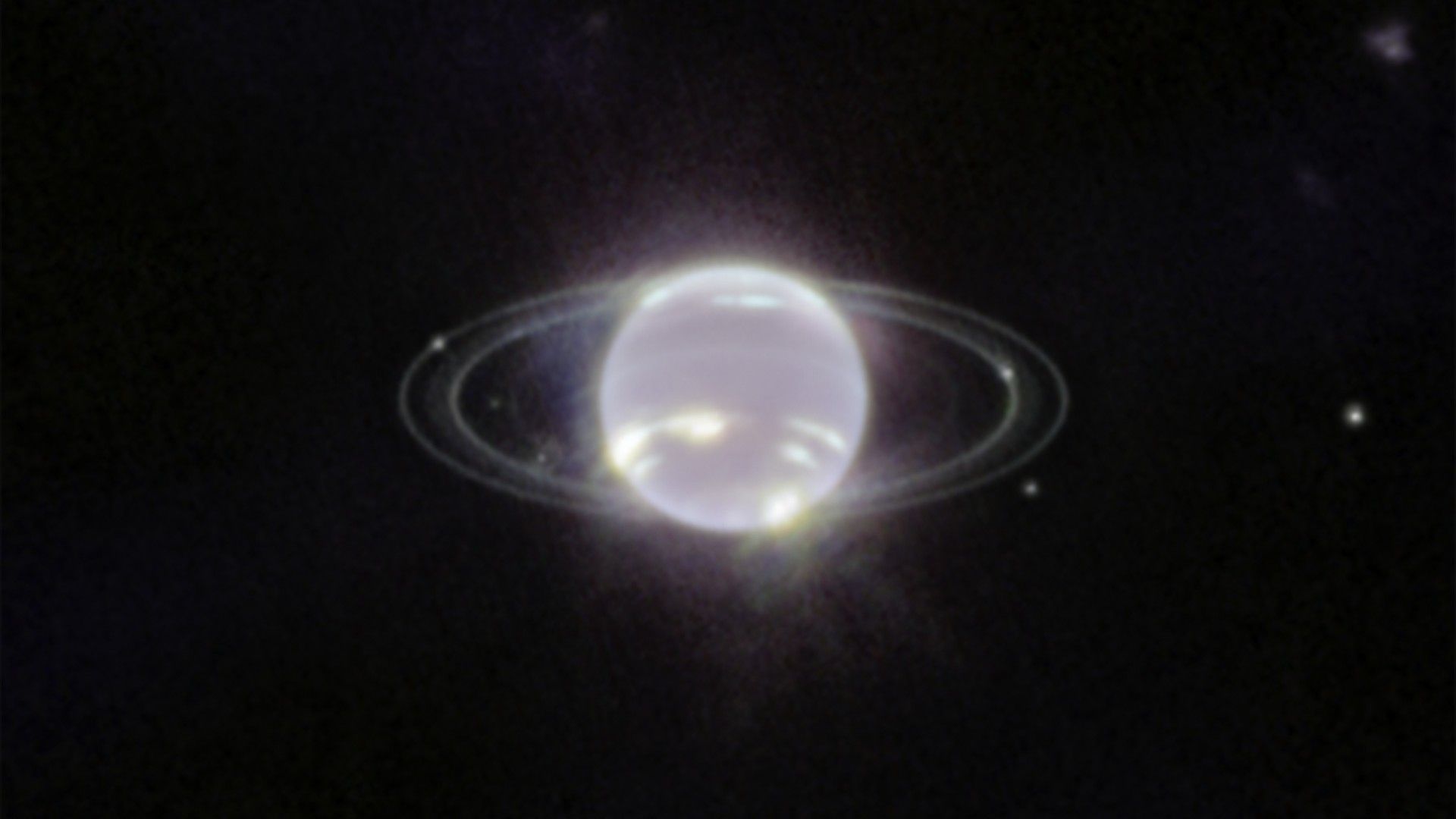
Nereid as a Remnant of Neptune's Original Satellite System
The new research proposes that Nereid is the only surviving moon from Neptune's original family. Unlike Triton, which arrived later, Nereid may have formed from the same disk of gas and dust that surrounded the young Neptune. Its eccentric orbit is a scar from that violent era, preserved for over 4 billion years. This makes Nereid a priceless relic for understanding the early dynamics of the Neptune system.
Implications for Planetary Formation
If Nereid truly is a survivor, it provides constraints on how planetary systems evolve. For instance, the timing and nature of Triton's capture can be inferred from Nereid's orbital parameters. Moreover, it suggests that other giant planets may also harbor remnant moons from their original systems, waiting to be discovered. Future missions to Neptune, such as a proposed orbiter, could test these ideas by studying Nereid up close.
- Key point: Nereid's orbit is a fossilized record of Neptune's violent past.
- Key point: Triton's capture likely destroyed most of Neptune's original moons.
- Key point: Understanding Nereid helps refine models of planetary migration and satellite formation.
Conclusion
The story of Nereid is one of resilience. While its fellow original moons were lost to the chaos of Triton's capture, Nereid clung to its orbit, a silent witness to a cataclysm. As researchers continue to study this enigmatic moon, they hope to unlock more secrets about Neptune's early days—and about the violent processes that shaped our solar system. For now, Nereid stands alone as the lone survivor, a testament to the delicate balance between destruction and survival in the cosmos.