Quick Facts
- Category: Gaming
- Published: 2026-05-04 17:49:42
- Breaking: Historians Confirm 'Onna-Bugeisha' – Female Samurai Were Real Warriors in Feudal Japan
- A Teacher's Guide to Making a Thoughtful Decision About Leaving the Classroom
- How to Give Your AI Agent Secure AWS Access Using the MCP Server
- How to Safeguard Your Software Supply Chain from Compromised Docker Images: A Step-by-Step Response Guide
- Maximizing Analytics Performance and Cost Efficiency with Amazon Redshift RG Instances
A Legacy Spanning Three Decades
Few video game franchises survive thirty years. Even fewer manage to thrive, evolve, and remain culturally relevant. Capcom's Resident Evil series has accomplished all three. From its clunky, fixed‑camera origins in 1996 to its current state as a multifaceted horror franchise, the series has weathered changing trends, audience expectations, and even its own missteps. The secret? An unwavering willingness to reinvent itself while preserving the core tension of survival horror—a mix of genuine chills and gloriously over‑the‑top camp.
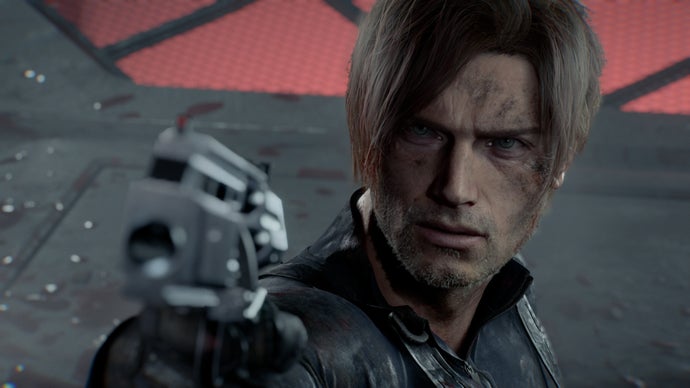
From Fixed Camera to First‑Person: The Evolution of Fear
The first major reinvention came with Resident Evil 4 in 2005. Director Shinji Mikami abandoned the static camera angles of earlier games for an intense over‑the‑shoulder perspective. The result was a revolutionary blend of action and horror that influenced third‑person shooters for years to come. Yet the series didn't stop there.
In 2017, Resident Evil 7 made an even bolder shift: first‑person view. This change brought players closer to the grotesque horrors of the Baker estate, emphasizing atmosphere and vulnerability over firepower. The pivot proved that the franchise could still scare players in radically different ways, while maintaining the puzzle‑solving and resource management that defined its roots.
Other Key Milestones
- Resident Evil 2 Remake (2019): A modern reimagining that balanced OTS action with true survival horror tension.
- Resident Evil Village (2021): Merged first‑person exploration with larger‑scale encounters and a gothic horror aesthetic.
- Resident Evil 4 Remake (2023): Re‑introduced the classic action‑horror hybrid to a new generation.
The Wobble: Lessons from Resident Evil 6
No legacy is without its stumbles. Resident Evil 6 (2012) prioritized bombastic action over horror, with multiple campaigns that felt disjointed and bloated. Critics and fans alike noted the series had lost its identity. However, Capcom took this feedback to heart. The wobble of “part six” became a turning point: the next major entry, Resident Evil 7, deliberately stripped away the action‑hero tropes and returned to intimate, terrifying survival. The lesson was clear—innovation works best when it respects the franchise's DNA.
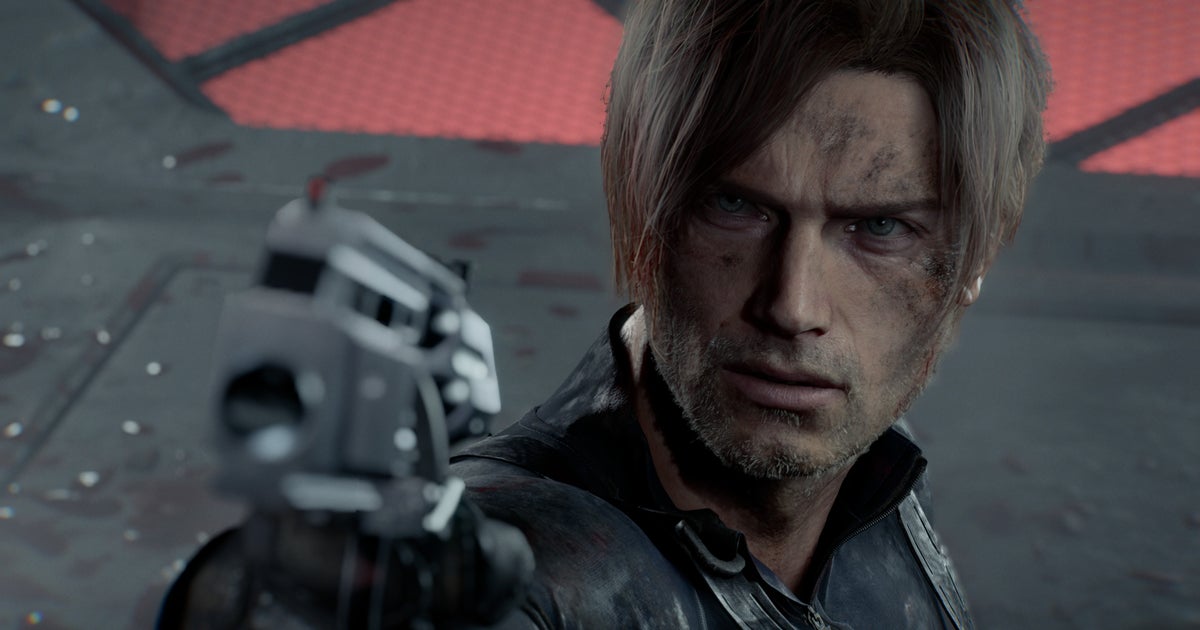
The Core Identity: Chills Meets Camp
What makes Resident Evil unique is its ability to mix genuine dread with knowingly ridiculous characters and scenarios. From Albert Wesker's absurd sunglasses to the melodramatic dialogue of early titles, the series has always embraced a certain degree of camp. This tone persists even in the most frightening entries: Resident Evil 7 featured a chainsaw‑wielding family man, and Village gave us a giant vampiric lady. This blend of horror and pulp keeps the games from taking themselves too seriously, allowing players to enjoy both the scares and the silliness.
Examples of Camp in Modern Entries
- Ethan Winters' casual one‑liners after losing limbs.
- The Duke's cryptic sales pitches in Village.
- The return of franchise staples like the mysterious merchant in RE4 Remake.
The Future of the Franchise
As Resident Evil enters its fourth decade, Capcom shows no signs of resting. The success of recent remakes and the critical acclaim of Village prove that the series can honor its past while exploring new frontiers. Rumors of a Resident Evil 9 point to further evolution, possibly building on the first‑person foundation or pivoting again. One thing is certain: the franchise will continue to adapt, ensuring that even after thirty years, survival horror remains—ahem—alive and kicking.
For more on the series' history and future, explore our in‑depth analysis of every major era and the lessons learned from its biggest challenges.